

10 Local Flowers for Indian Weddings: The Eco-Logistics Guide
Indian weddings are known for scale and spectacle, but floral choices quietly shape their environmental impact. This guide highlights how replacing imported blooms with seasonal Indian flowers such as marigold, jasmine, lotus, and tuberose can significantly reduce carbon emissions, refrigeration dependency, and post-event waste. It explains the eco-logistics behind flower miles, cold-chain transport, and compostability, while showcasing ten locally sourced options that offer cultural symbolism, freshness, and design flexibility. The result is a celebration that feels rooted, vibrant, and environmentally responsible without compromising on visual richness or tradition.
That Dutch tulip in the mandap traveled nearly 7,000 kilometers to get there. The marigolds from a nearby farm traveled barely 70. And they look fresher, brighter, and far more at home.
Indian weddings are known for scale, color, and floral drama. But it is worth asking how those flowers arrive. Imported blooms come with air freight, refrigerated storage, and a heavy carbon footprint built into every petal. They raise costs quietly and add environmental impact most families never see.
India, on the other hand, has more than 1,200 indigenous flowering plants. Many are seasonal, locally grown, and deeply woven into ritual and symbolism. Marigold for auspiciousness. Jasmine for fragrance. Lotus for purity. These flowers are not substitutes. They are originals.
Choosing seasonal Indian blooms reduces flower miles, supports local growers, and allows for décor that can be composted or repurposed. The result is not a compromise in beauty. It is a celebration that feels rooted, vibrant, and culturally honest.
Sustainable floral design is not about limiting abundance. It is about choosing abundance that belongs here.
Table Of Contents
Why Local Flowers Matter

Choosing indigenous flowers for a wedding is not only a sustainability choice. It is a design decision that makes practical and cultural sense.
Environmental Benefits
Lower flower miles
Local blooms significantly reduce carbon emissions linked to air freight and long-distance transport.
Minimal cold-chain dependency
Most regional flowers can withstand short travel without constant refrigeration, cutting energy use.
Biodegradability
Flowers such as marigolds and jasmine decompose quickly, making composting easier and reducing post-event waste.
Cultural Resonance
Marigolds, lotuses, and jasmine have carried symbolic meaning in Indian weddings for generations. They represent prosperity, purity, love, and spiritual blessing.
Sourcing locally preserves authenticity while respecting family traditions and regional customs.
Aesthetic Advantages
Fresher blooms naturally last longer without chemical treatments.
Local flowers often offer deeper colors and richer textures, allowing for floral décor that feels abundant and rooted without compromising on beauty.
The Technical List: 10 Local Flowers Perfect for Indian Weddings
A well-designed wedding does not need imported blooms to feel grand. These local flowers offer beauty, symbolism, and practical advantages without complex logistics.
1. Marigolds (Genda)

A symbol of prosperity and auspicious beginnings, marigolds are central to Indian ceremonies. They decompose quickly, making them ideal for composting after the event. Grown abundantly across India, they are easily available, especially between October and February.
2. Jasmine (Mogra)

Associated with purity and divine fragrance, jasmine adds a natural scent that reduces the need for artificial fresheners. It thrives across regions and blooms most strongly in summer, making it widely accessible.
3. Hibiscus

Known for vibrance and tropical elegance, hibiscus is hardy and requires relatively low water. It is available across the country through most of the year, making it a dependable choice.
4. Bougainvillea
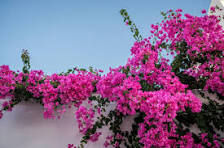
A bold and celebratory flower, bougainvillea grows with minimal care and water. It is commonly found across Indian regions and can be sourced locally with ease.
5. Roses (Desi varieties)

Long associated with love and beauty, desi roses sourced from regional nurseries significantly reduce flower miles. They are available year round in states such as Himachal Pradesh, Karnataka, and Maharashtra.
6. Chrysanthemums (Guldaudi)

Symbolising joy and longevity, chrysanthemums have a longer shelf life, which helps reduce floral waste. They bloom seasonally from October to December and are widely grown in local nurseries.
7. Lotus (Kamal)

A powerful symbol of spiritual purity and sacred rituals, the lotus is cultivated in water bodies, reducing land dependency. It can often be freshly sourced from local ponds or farms near temples.
8. Tuberose (Rajnigandha)

Associated with romance and fragrance, tuberose travels well over short distances without heavy refrigeration. It is cultivated in both North and South India, with peak bloom between October and January.
9. Ashoka Flowers (Sita Ashok)

Used to add height and vibrant texture, Ashoka blooms are native to India and widely grown in tropical regions. They can be sourced locally from regional growers, reducing transport impact and eliminating cold-chain dependency.
10. Wildflowers and seasonal local mixes

These bring rustic charm and a sense of connection to the land. Often grown with minimal pesticide use and processing, they are typically sourced within 50 to 100 kilometres of the venue.
Local flowers offer freshness, symbolism, and logistical ease. They are not a compromise, but a choice rooted in practicality and cultural relevance.
The Eco-Logistics of Wedding Flowers

Imported flowers often travel thousands of kilometres before they reach a wedding venue. Every stage of that journey adds fuel use, handling, and emissions. When flowers are sourced locally, sometimes within 100 kilometres, both cost and environmental impact are reduced significantly. The blooms also arrive fresher.
Imported varieties usually depend on air freight and continuous refrigeration. This cold-chain process can substantially increase the carbon footprint of the décor. Seasonal local flowers, on the other hand, require far less refrigeration and adapt better to the climate they are grown in.
The shift is practical, not complicated. Work with regional nurseries or nearby farmers. Align wedding dates with peak bloom seasons. Plan logistics early to avoid rushed transport and spoilage.
Good floral design is not just about how it looks. It is also about how far it travels and how thoughtfully it is sourced.
Conclusion
Flowers are central to Indian weddings, carrying beauty, symbolism, and emotion. Choosing seasonal Indian blooms for low-carbon, zero-waste mandaps reduces transport, refrigeration, and waste without compromising richness.
Local flowers travel less, compost naturally, and reflect tradition with authenticity. With Greenmyna’s guidance, celebrations stay vibrant while lowering environmental impact.
Ready to choose blooms that are as rooted as your traditions? Connect with Greenmyna and begin your low-carbon wedding journey.
Frequently Asked Questions
Are indigenous blooms always cheaper than imported flowers?
Yes, generally, because transport and cold-chain costs are much lower. Prices can vary by season and region.
Can zero-waste floral décor look luxurious?
Absolutely. Creative layering of colors, textures, and locally-sourced foliage makes zero-waste mandaps visually stunning.
How can leftover flowers be reused?
Turn them into vermi-compost or plantable arrangements. Greenmyna helps couples create a circular life cycle for their wedding blooms.
Are seasonal blooms limiting for design?
Not at all. Indian flora is abundant year-round, and hyper-local sourcing provides plenty of flexibility for designers.
How much does low-carbon floral décor reduce environmental impact?
It reduces CO₂ emissions, water use, chemical inputs, and landfill contributions, while supporting local farmers and preserving indigenous biodiversity.
Are local wedding flowers as durable as imported varieties?
Yes. Seasonal Indian flowers are naturally adapted to the climate, which often makes them more resilient during long wedding ceremonies compared to imported blooms that rely on refrigeration.
How far in advance should local flowers be booked for a wedding?
Ideally, 4 to 8 weeks in advance, especially during peak wedding season. Early coordination with local growers ensures availability and better pricing.
What are flower miles in wedding décor?
Flower miles refer to the distance flowers travel from farm to venue. Lower flower miles mean reduced transport emissions, lower refrigeration needs, and fresher blooms.
Can local flowers be used for luxury destination weddings in India?
Yes. Most regions in India have strong local flower markets. Designers can source seasonal blooms near the destination venue to maintain scale while reducing logistics impact.
Q5: What happens to wedding flowers after the event?
They can be composted, converted into incense or organic colors, donated to temples for recycling initiatives, or repurposed into potpourri and natural dyes.
Are imported flowers always less sustainable?
In most cases, yes. Imported blooms typically require air freight, chemical preservation, and cold-chain transport, increasing their carbon footprint compared to locally grown seasonal flowers.
Do seasonal flowers limit color choices for wedding themes?
Not significantly. India’s regional diversity ensures year-round availability of varied colors, textures, and foliage options suitable for most design palettes.
How can couples verify that their florist is sourcing locally?
Ask about farm origin, seasonal availability charts, and transport distance. Transparent vendors can usually share sourcing details and supplier networks.
Is zero-waste floral décor more expensive?
Not necessarily. Savings from reduced imports and transport can offset design costs. Repurposing and composting strategies may also reduce disposal expenses.
Can sustainable floral décor still create grand mandaps and stage backdrops?
Yes. Scale depends on design planning, layering, and volume. Local flowers such as marigolds, tuberose, and roses can achieve abundant, dramatic installations without imported blooms.


Comments