

5 Eco-Friendly Ways to Stay Hydrated This Summer Without Plastic Bottles
This summer, staying hydrated doesn’t have to come at the cost of the planet. With plastic bottles piling up for centuries after just minutes of use, it’s time to rethink how we drink water. This guide explores five simple, eco-friendly ways to stay cool, from stainless steel bottles and traditional clay matkas to homemade electrolyte drinks and water-rich foods. Rooted in both sustainability and Indian tradition, these swaps are healthier, cost-effective, and easy to adopt. If you’re looking to cut plastic without compromising on convenience, this is your practical, no-nonsense starting point for a cleaner, smarter summer.
Every summer, as temperatures cross 45°C across North India, millions of plastic water bottles are bought, sipped, and tossed, all within minutes. That bottle which provided roughly 15 minutes of hydration will now sit in a landfill for the next 450 years. Let that sink in.
India generates over 3.5 million tonnes of plastic waste annually, and a significant chunk of it comes from single-use water bottles. What makes this worse is that 79% of all plastic ever produced still exists somewhere in our ecosystem, whether buried underground, floating in rivers, or slowly breaking into microplastics that enter our food and water supply. The consequences extend far beyond landfills, and the role of plastic pollution in wildlife deaths and conservation challenges is one of the most sobering reminders of why individual choices around plastic matter.
The good news? Staying hydrated this summer does not require a single plastic bottle. With the right choices, sustainable hydration is not only possible but also more affordable, healthier, and deeply rooted in Indian tradition. Here are five practical, proven ways to make it happen.
Table Of Contents
Why Plastic Bottles Are a Bigger Problem Than You Think?

Before jumping into solutions, it helps to understand what is actually at stake. Plastic bottles are manufactured using petrochemicals and take up enormous amounts of fossil fuel energy to produce. Once used, they rarely get recycled properly. In India, where waste segregation infrastructure is still developing in many cities, most plastic bottles end up in open dumps, water bodies, or get burnt, releasing toxic fumes in the process.
There is also a serious health angle that often gets overlooked. The BPA found in many plastic bottles can leach into drinking water, especially when bottles are exposed to heat. During an Indian summer, a plastic bottle left in a bag or car can become a slow chemical release mechanism. BPA exposure has been linked to hormonal disruption, obesity, infertility, and certain cancers.
India took a bold policy step in 2022 with the ban on specific single-use plastics. However, enforcement on the ground remains inconsistent. Real change, as always, comes from individual choices compounding over time.
Want to stay hydrated this summer without plastic bottles? Here's your complete guide 👇
5 Eco-Friendly Ways to Stay Hydrated This Summer
1. Switch to Insulated Stainless Steel Bottles

For the vast majority of Indians navigating daily commutes, school runs, office hours, and outdoor errands during peak summer, insulated stainless steel bottles are the most practical and durable switch available. These bottles are BPA-free, built to last over a decade, and designed to keep water ice-cold for up to 24 hours without any external cooling.
Brands like Milton, Pexpo, Borosil, and Beysis offer solid options across a wide price range, making them accessible whether someone is looking for a basic daily use bottle or a premium outdoor companion. Unlike plastic, stainless steel does not absorb odours, does not leach chemicals, and does not degrade with repeated washing.
From a circular economy perspective, one stainless steel bottle used consistently over ten years can replace anywhere between 1,500 and 2,000 single-use plastic bottles. That is not a small number. That is a genuine environmental impact at the individual level.
2. Revive the Clay Bottle Tradition

Long before refrigerators became a household staple, Indian families kept their water cool in clay pots. The matka and suraahi were not just vessels but intelligent cooling systems. Terracotta and clay bottles work through natural evaporative cooling, where water slowly seeps through the porous surface and evaporates, drawing heat away and keeping the water inside refreshingly cool.
Even today, households across rural Rajasthan, Gujarat, and Madhya Pradesh rely on clay cooling as their primary method of storing drinking water. This is not a primitive practice. It is a zero-energy, zero-chemical, completely sustainable hydration solution that has stood the test of centuries.
Beyond cooling, clay naturally keeps water alkaline and imparts a fresh, earthy taste that many find far more satisfying than the flat taste of bottled water. Clay bottles also support local potters and artisans, making every purchase a contribution to the traditional craft economy. That is a circular economy in its truest, most human form.
3. Choose Glass Bottles with Protective Sleeves

Glass is one of the few materials that is genuinely non-porous and non-reactive. It does not absorb flavours, does not retain odours, and most importantly, does not leach any chemicals into water regardless of temperature. During Indian summers when heat is extreme, glass remains completely inert, making it the cleanest vessel for drinking water.
The common concern with glass has always been fragility. That challenge has been addressed well by modern glass bottles that come fitted with silicone or fabric sleeves, providing a firm grip and meaningful shock absorption. These bottles are well-suited for office desks, kitchen counters, and short commutes where the risk of rough handling is lower.
For those who are particularly mindful about water purity and taste integrity, such as fitness enthusiasts, people on detox routines, or those managing health conditions, glass is the most uncompromising choice available.
4. Hydrate by Eating Your Water
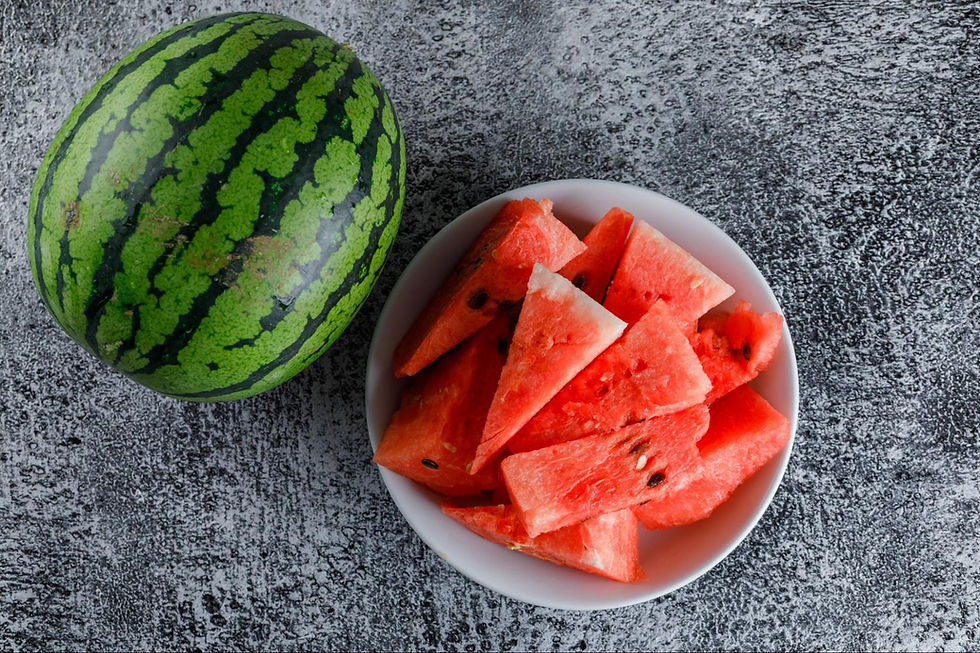
This is perhaps the most underrated hydration strategy, and it is one that Indian summer cuisine has always naturally supported. Seasonal fruits and vegetables available across India during summer months are among the most water-dense foods in the world.
Watermelon, which is over 90% water, is a staple across Indian markets from April through June. Muskmelon, cucumber, pineapple, and leafy greens are equally rich in water content and come packed with natural electrolytes like potassium and magnesium that help the body retain hydration more effectively than plain water alone.
The practical approach here is straightforward. Replacing one plastic-bottled drink per day with a plate of water-rich fruit reduces both plastic consumption and overall hydration cost simultaneously. This single habit, when practised consistently across a household, aligns directly with the United Nations Sustainable Development Goal 12 on responsible consumption and production.
5. Make Electrolyte Drinks at Home

The Indian kitchen has always had its own sports drink, long before branded bottles arrived on shelves. Nimbu pani with a pinch of black salt and a touch of sugar or honey is a near-perfect electrolyte replenishment drink. Aam panna made from raw mangoes provides vitamin C, iron, and hydration in a single glass. Coconut water, widely available fresh across coastal and southern India, is a natural electrolyte powerhouse with zero packaging waste when consumed directly.
The cost difference is significant. A homemade glass of nimbu pani costs roughly five to ten rupees. A branded plastic-bottled sports drink or flavoured water costs between forty and eighty rupees. Prepared in a reusable glass or steel container, these drinks are not only cheaper and healthier but also completely plastic-free.
Making this a daily summer habit removes dependence on commercially packaged drinks entirely, which is both a financial and an environmental win.
Eco-Friendly Bottle Comparison at a Glance
Choosing the right reusable bottle depends on lifestyle, budget, and daily routine. This comparison makes the decision simpler.
Bottle Type | Best For | Keeps Water Cold | Indian Price Range | Durability | Eco Score |
Insulated Stainless Steel | Daily use and outdoor activities | Up to 24 hours | ₹500 to ₹2,500 | 10+ years | Excellent |
Clay or Terracotta | Home use and traditional cooling | Natural cooling | ₹150 to ₹600 | 1 to 2 years | Excellent |
Glass with Sleeve | Office and home use | Moderate | ₹300 to ₹1,500 | 3 to 5 years | Very Good |
Bamboo Bottle | Travel and occasional use | Limited | ₹400 to ₹1,200 | 2 to 3 years | Very Good |
Folding Silicone | Trekking and travel | Minimal | ₹600 to ₹2,000 | 5 to 7 years | Good |
Each of these options eliminates the need for single-use plastic, and every one of them pays for itself within weeks compared to the cost of buying bottled water daily.
Plastic-Free Summer Starter Plan
Building new habits works best when approached gradually. This four-week framework makes the transition manageable and realistic.
Week | Action |
Week 1 | Invest in one reusable stainless steel or clay bottle that fits the daily routine. |
Week 2 | Replace one plastic-bottled drink each day with homemade nimbu pani or coconut water. |
Week 3 | Add at least two water-rich fruits or vegetables to daily meals. |
Week 4 | Make carrying a reusable bottle a non-negotiable daily habit for every outing. |
Small, consistent actions compound into meaningful change. One household making these shifts across a full summer season can eliminate hundreds of plastic bottles from the waste stream. And it is worth remembering that not all plastic waste ends at a landfill in an obvious way. Something as small and forgettable as a bottle cap carries its own serious trail of harm, and understanding why bottle caps are more than just litter is a useful reminder of why cutting plastic at the source matters more than managing it after the fact.
Conclusion
Sustainable hydration in India is not about sacrifice. It is about choosing differently and choosing better. The alternatives to plastic bottles available today are more durable, more affordable over time, and in many cases, more deeply rooted in Indian culture than the plastic bottle ever was.
The clay matka, the steel Milton bottle, the glass of fresh nimbu pani, these are not new ideas. They are trusted solutions that have simply been pushed aside by the convenience economy. Bringing them back is both a personal health decision and a collective environmental responsibility.
India's plastic crisis will not be solved by policy alone. It will be solved one reusable bottle at a time, one household at a time, one summer at a time. This summer is a good place to start.
Explore practical low-waste swaps and sustainability ideas from Greenmyna to build a more eco-friendly summer routine.
Frequently Asked Questions
1. What is the best eco-friendly water bottle to use in India during summer?
Insulated stainless steel bottles are the top choice for Indian summers. They keep water cold for up to 24 hours, are completely BPA-free, highly durable, and available across India at price points ranging from ₹500 to ₹2,500. Brands like Milton and Borosil offer reliable options for everyday use.
2. How does a clay bottle keep water cool without a refrigerator?
Clay and terracotta bottles use natural evaporative cooling. Water slowly seeps through the porous surface of the clay and evaporates, which draws heat away and lowers the internal temperature. It is a centuries-old Indian method that requires no electricity, no chemicals, and no technology.
3. Are reusable bottles really better for the environment than recycling plastic?
Significantly better. Recycling plastic still requires considerable energy and only delays the eventual landfill entry of that material. A single stainless steel bottle used consistently over ten years replaces approximately 1,500 to 2,000 single-use plastic bottles, representing a far greater and more direct environmental impact.
4. What are some easy homemade drinks to replace plastic-bottled sports drinks this summer?
Nimbu pani with black salt and honey, aam panna, fresh coconut water, and cucumber-mint detox water are all excellent natural electrolyte alternatives. They cost a fraction of branded plastic-bottled drinks, are free from artificial additives, and generate zero plastic packaging waste.
5. Is India's single-use plastic ban effective in reducing plastic bottle waste?
The 2022 ban on specific single-use plastics was an important policy milestone for India. However, ground-level enforcement remains uneven across states and urban centres. The most consistent and measurable impact comes from individual and household choices. When enough people switch to reusable bottles India-wide, it creates market pressure, cultural shifts, and lasting change that policy alone cannot achieve.


Comments