

Reasons Why Zero Waste Fashion is the Future of Clothing
Updated: Sep 1, 2025
Every second, one truckload of cloth is burned up in dumps or immolated globally, resulting in nearly 92 million tons each year. India alone dumps upwards of 1 million tons of cloth each year, most of which could have been recycled, reused, or otherwise made into something of value. The growing problem has put sustainable solutions at the forefront. One of them is zero-waste fashion, aka zero-waste design, which redesigns the garment-making process so that wasteful cloth is removed at every end of its life cycle. One step further than the fast fashion industry's "take–make–dispose," it addresses environmental devastation, economic wastefulness, and social responsibility, and has become fashion's future.
Table Of Content
What is Zero Waste Fashion?

Zero-waste fashion is a philosophy of design and a sustainability initiative to reduce near-zero waste in both the construction and post-consumer phases of fashion. With conventional garment production, as much as 15%- 20% of material is lost, usually ending up in landfills. Think of a saree trimmed into a blouse with nothing left to be discarded, or a hoodie that can be knitted in its entirety by a 3D machine, nothing is left to waste, nothing to deep-six. This is zero-waste fashion at its best.
Rather than taking the linear approach of take, make, and dispose, it is taking a circular approach whereby fabrics can be used again or repurposed, or simply naturally degraded. Using such a strategy is not only less harmful to the environment, but also challenges consumers and designers to reconsider the approach to clothing production, its use, and appreciation.
Environmental Reasons Why Zero Waste Fashion Matters
The fashion industry has become one of the leading pollutants worldwide, as it generates stuffed landfills, high water consumption, and an increase in greenhouse gases. Millions of tons of fabric scraps and discarded garments go into the dumps annually, with most of them taking decades before they decompose. Zero-waste fashion is addressing such problems directly by:
Cutting landfill waste – 10-15 percent+ of the fabric is wasted using traditional pattern cutting methods, which often ends up burned or otherwise discarded in the landfills. Zero techniques lead to the utilization of almost all the pieces of cloth.
Reducing water & energy use – Minimizing the massive water footprint of conventional fashion means reducing consumption of energy by using recycled materials, and creating products based on the use of natural dyes and processes that consume the minimum of resources.
Lowering carbon footprint – The use of handwoven textiles, textiles produced and sourced locally, or even upcycled textiles decreases the industrial processing and transportation of the least achieved emissions.
Minimizing chemical pollution – In light of less toxic dyes and synthetic blends, chemical pollution is kept out of the rivers, soil, and ecosystems.
Zero-waste fashion is more than just minimizing harm, though; it is also a way to align fashion to climate targets and demonstrate that fashion doesn't always have to come at the expense of the earth.
Economic Benefits of Zero Waste Fashion
Benefit | How It Helps | Impact on Business |
Lower Production Costs | Using almost 100% of cloth with the help of such techniques as zero-waste pattern cutting, companies reduce expenditure on raw material and waste disposal costs. | Significant cost savings across large-scale production make sustainability financially viable. |
Stronger Brand Reputation | Today’s eco-conscious consumers actively seek brands with authentic sustainability practices. Offering zero-waste designs strengthens trust and loyalty. | Builds long-term customer relationships, attracts a wider audience, and allows premium pricing. |
Boosted Innovation & Competitiveness | Designing within the boundaries of zero waste encourages out-of-the-box creativity and smarter product development. | Positions the brand as forward-thinking, innovative, and competitive in a rapidly evolving market. |
Social and Ethical Impact of Zero Waste Fashion

Fairer Labor Practices – Most zero-waste brands collaborate with artisans and local weavers and small-scale workshops that provide safer working conditions and fair payments as opposed to the unfriendly fast fashion systems.
Mindful Consumption – By making their apparel durable and versatile, the zero-waste fashion invites people to spend less but better, and stop over-consuming.
Greater Transparency – Modern brands are actively promoting their supply chains, raw material suppliers, and manufacturing methods, and serve to put economic and ethical power in the hands of consumers.
Cultural Preservation – Conservation of ancient fabrication techniques and handicrafts, minimizing the advancement of indigenous knowledge, art, and culture.
Community Empowerment – Local initiatives can lead to community-oriented projects based on zero waste, where locals invest back into the community and develop a sense of responsibility.
Techniques That Make Zero Waste Possible
Zero-Waste Pattern Cutting – Unconventional, jigsaw-like patterns assure that the shred of fabric is put to use, leaving very little waste. This technique is becoming one of the best designs of sustainable brands.
Upcycling – Reclaimed items, discarded garments, deadstock, and surplus extents and are turned into new fashionable garments, which increases the life of the materials and contributes to the reduction in wastage.
3D Knitting & Printing – Advanced technology means the garment is produced in one piece, leftover fabric are zero and each can be manufactured with customized designs and at a time of demand.
Recycled & Sustainable Materials – Fabrics are made out of recycled plastic bottles as well as organic cotton or hemp, and this reduces the amount of pollution and water used.
Modular & Multi-Use Designs – Some designers develop garments that can be worn multiple different ways (reversible/detachable/convertible) so that they do not need so many separate pieces in a wardrobe.
Why Zero Waste Fashion is the Future
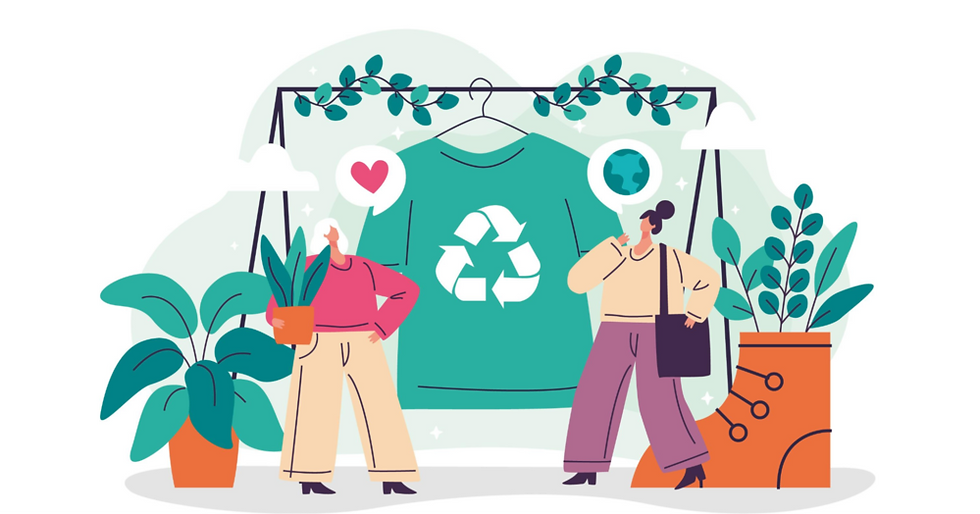
Zero-waste practices are becoming a part of fashion: the future of fashion and sustainability cannot be separated. Rather than adding to clogging landfills, this alternative allows addressing the textile waste problem directly by assigning all fabric scraps a purpose. In addition to cutting waste, it reduces the carbon footprint of the industry and prevents the waste of valuable resources such as water, two of the greatest environmental impacts in the fashion industry. Meanwhile, zero waste is demonstrating that to be sustainable, you do not have to give up on aestheticism.
The designs are resourceful, lasting, and expressive is an indication that fashion can be responsible and beautiful. This balance is very important to younger generations of shoppers, especially Millennials and Gen Z. They desire clothes that portray their morals and companies of integrity and openness. What we wear defines our style, and with zero waste, fashion is becoming a movement of culture, shielding the world and redefining how to be genuinely stylish.
Conclusion
Zero-waste fashion goes beyond creativity in design; it is a movement that re-casts the future of clothing. Being innovative with waste can solve one of the biggest issues of the fashion industry and demonstrate that fashion and sustainability can coexist. Zero waste has provided a roadmap toward a cleaner, more enlightened, and more ethical fashion industry in the way it is already doing things by advancing new pattern cutting and upcycling, utilitarian production, and ethical labor standards, as well as waste-conscious consumption.
To business, this translates into effectiveness in cost reduction, amplification of brand loyalty, and opening up new realms of innovation. To the consumers, it is all about making choices that are truthful to their values in terms of quality, durability, and fairness. Most importantly, to the world, it will be the course to minimizing the natural impact of what is one of the most resource-demanding industries worldwide.
The reality is easy: each item that we wear is an action. It may either fuel the fire of fast fashion waste or be one of the changes. Zero waste is not only a way forward for fashion but a clarion call needed today, urging people to wear what they value by helping to create a sustainable tomorrow.
FAQs
1. What does zero-waste fashion mean?
Zero-waste fashion refers to a sustainable model of clothing design and manufacture, to reduce the accumulation of textile waste by applying intelligent methods such as zero-waste pattern cutting, upcycling, and recycling.
2. Why is zero-waste fashion important for the environment?
It significantly decreases landfills, conserves water and energy, cuts carbon emissions, and reduces chemical release that comes through in traditional fashion production.
3. Is zero-waste fashion expensive?
Not necessarily. Zero-waste clothes might have a higher price point since ethical labour and sustainable materials cost money, but over the duration of use, being more durable, it comes out cheaper.
4. How can consumers support zero-waste fashion?
This is done by preferring ethical brands, second-hand shopping, re-using old clothes, renting outfits, and purchasing fewer, but better quality garments.
5. What are some techniques used in zero-waste fashion?
The most important methods here are zero-waste pattern cutting, upcycling, 3d knitting, textile recycling, and the utilization of organic or recycled fabrics.
6. Is zero-waste fashion the same as sustainable fashion?
They coincide, but they are not the same. Whereas sustainable fashion encompasses a wide variety of practices (ethical labor practices, environmentally friendly textile materials, slow fashion), zero waste is specifically concerned with the reduction of textile waste.


Comments