

5 eco-friendly alternatives to single-use plastics in everyday life
- Jul 17, 2024
- 12 min read
Updated: Aug 13
Key Takeaways:
Official CPCB data shared in Parliament shows India generated 39.02 lakh tonnes of plastic waste in 2021-22 and 41.36 lakh tonnes in 2022-23, though this reflects only formally reported data from State Pollution Control Boards.
Independent research from the EU's SWITCH-Asia Programme estimates India actually generated over 10.8 million tonnes of plastic waste in 2023, roughly 7.6 kg per capita, with nearly 70% mismanaged rather than properly processed.
Simple, low-effort swaps like reusable shopping bags, stainless steel water bottles, and bamboo toothbrushes can meaningfully reduce a household's plastic footprint without major lifestyle disruption.
On March 31, 2026, India notified the Plastic Waste Management (Amendment) Rules, 2026, further tightening Extended Producer Responsibility requirements first introduced in 2022.
Since EPR rules took effect in 2022, over 20.7 million tonnes of plastic packaging waste have been recycled cumulatively across India under registered EPR certificates.
Plastic-free living doesn't require an overnight overhaul. Small, consistent sustainable swaps compound into meaningful reductions in plastic waste over time.
Table Of Contents
Introduction

Plastic is everywhere, in our bathrooms, kitchens, offices, and even in our shopping habits. While it may feel convenient, the long term environmental cost is enormous. The good news is that eco-friendly alternatives to plastic are more accessible than ever, and you can reduce plastic waste by making small, practical swaps in your everyday routine.
According to official CPCB data shared in Parliament India generated 39,01,802 tonnes of plastic waste in 2021-22 and 41,36,188 tonnes in 2022-23, roughly 3.9 to 4.1 million tonnes a year, though this figure only reflects what State Pollution Control Boards formally report. Independent research paints a more troubling picture. A 2024 country profile from the EU's SWITCH-Asia Programme estimated India generated over 10.8 million tonnes of plastic waste in 2023 alone, roughly 7.6 kg per person, with nearly 70% of it mismanaged rather than properly collected or processed. What is clearly verified is the recycling progress under Extended Producer Responsibility. The same PIB release confirms that around 207 lakh tonnes, over 20.7 million tonnes, of plastic packaging waste have been recycled since EPR Guidelines came into force in 2022, a meaningful but still partial dent in the overall problem.
If you're looking for sustainable alternatives to plastic that actually fit into daily life, whether for your household, your kitchen, or your workplace, this guide will help you make smarter, more sustainable choices.
What Are Single-Use Plastics, and Why Do They Matter?
Single-use plastics, also known as disposable plastics, are designed to be used only once before being thrown away. These items are typically made from fossil fuel based chemicals (petrochemicals) and are a major contributor to global pollution.
Common Examples of Single-Use Plastics
Packaging:
Plastic grocery bags
Food wrappers and containers
Plastic wrap
Produce bags
Shipping materials (bubble wrap, packing peanuts)
Food Service Items:
Plastic straws
Plastic cutlery (forks, knives, spoons)
Disposable coffee cups and lids
Take out containers
Plastic water bottles
Other:
Cigarette butts (contain plastic filters)
Balloons
Cotton swabs with plastic stems
Diapers
According to a 2017 study titled "Production, Use, and Fate of All Plastics Ever Made," published in the journal Science Advances, 8.3 billion metric tons of plastics have been produced since the 1950s, and half of that in the past 15 years alone. Picture a sea turtle with a plastic straw jammed up its nostril, or a beach littered with more plastic bottles than seashells. These haunting images are the stark reality of our single use plastic addiction, and understanding why these seemingly harmless items are such a serious threat is the first step toward genuine plastic free living.
Short Lifespan, Long Lasting Impact: While designed for quick, convenient use, single use plastics persist in the environment for centuries, harming wildlife and polluting ecosystems long after we've thrown them away.
Difficulty in Recycling: Many single-use plastics, especially those that are small or made from mixed materials, are not easily recyclable or cannot be recycled at all, which is why prevention through reusable alternatives to plastic matters so much more than recycling alone.
Microplastics and Human Health: Single-use plastics break down into tiny fragments called microplastics, which contaminate waterways, enter the food chain, and carry unknown potential effects on human health, an issue researchers are only beginning to fully understand.
Resource Depletion and Climate Impact: Plastic is made from fossil fuels, and its production drains natural resources while contributing directly to climate change. Every time we choose a plastic wrapped item, we're indirectly supporting these unsustainable, emissions heavy production practices.
Wildlife Harm: Plastic debris is a death trap for marine animals who mistake it for food. Ingesting or becoming entangled in plastic leads to injury, suffering, and even death, and from whales to seabirds, almost no creature is immune to the dangers of plastic pollution.
Landfill Overload: Landfills worldwide are overflowing with plastic that takes centuries, if ever, to truly decompose, essentially creating mountains of waste for future generations to inherit. To understand how this specifically affects Indian ecosystems and endangered species, see our detailed look at the role of waste littering and plastic pollution in wildlife deaths and conservation challenges.
The consequences of our single use plastic habit are far reaching and severe, but it's a problem we genuinely have the power to solve. By making informed choices and embracing eco-friendly products, we can significantly decrease our plastic footprint. Now, let's explore the most effective sustainable swaps available today.
Top Eco-Friendly Alternatives to Plastic for Everyday Life

Plastic Item | Eco-Friendly Alternative |
Plastic water bottle | Stainless steel or glass water bottle |
Plastic shopping bag | Cotton or canvas cloth shopping bag |
Plastic wrap | Reusable beeswax food wraps |
Plastic cutlery | Bamboo or stainless steel cutlery |
Plastic straw | Reusable stainless steel or bamboo straw |
Plastic toothbrush | Bamboo toothbrush |
Liquid soap in plastic bottles | Bar soap or shampoo bar |
Here are the most effective, practical swaps for building a genuinely plastic-free home:
1. Reusable Shopping Bags Instead of Plastic Carry Bags

Plastic carry bags are typically used for less than 10 minutes but cause harm to the planet for hundreds of years. Replacing flimsy plastic bags with washable, durable cloth shopping bags is one of the simplest sustainable swaps you can make. Cotton and canvas totes are reusable, machine washable, and biodegradable, and choosing them at the household level alone can produce a significant reduction in plastic waste over time.
Canvas or Cotton Tote Bags: Versatile, strong, and often made from natural, sustainable materials.
Mesh Produce Bags: Ideal for fruits and vegetables, offering breathability and easy visibility at checkout.
Foldable Nylon Bags: Lightweight and portable, great to keep in a purse or backpack for impromptu shopping trips.
2. Stainless Steel or Glass Water Bottles Instead of Plastic Bottles
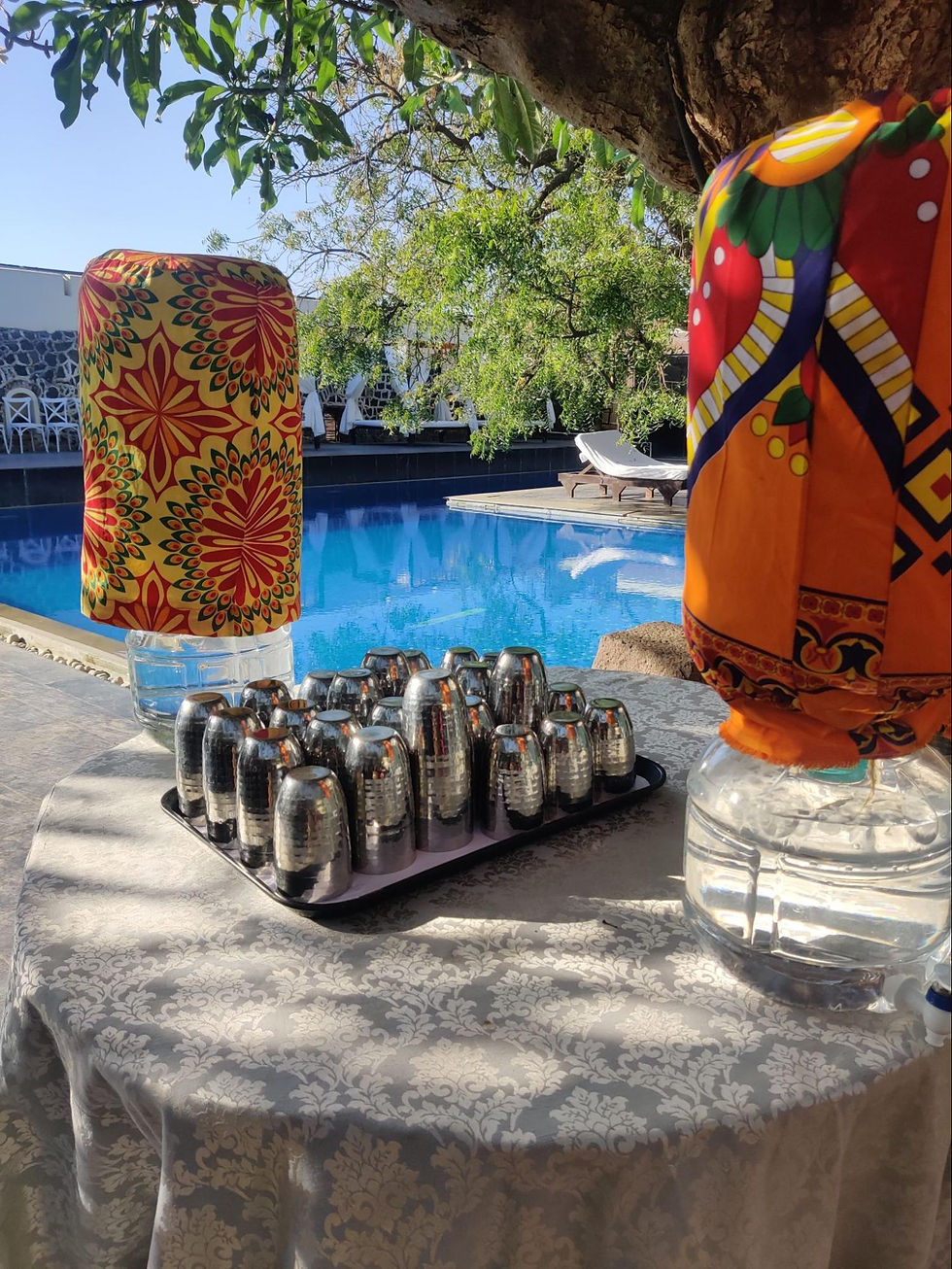
In India, single use plastic bottles remain one of the biggest contributors to the plastic pollution crisis. Carrying a reusable stainless steel or glass water bottle instead of buying bottled water is one of the highest impact eco-friendly lifestyle changes available, and it saves money while significantly reducing your plastic footprint.
Stainless Steel: Durable, lightweight, insulated, and keeps drinks cold for hours.
Glass: Aesthetically pleasing, non-reactive so it won't retain flavors, and easy to clean. Look for bottles with protective silicone sleeves.
Bamboo Bottles: A durable, visually distinctive option that supports a genuinely sustainable, renewable material.
3. Bamboo Toothbrushes Instead of Plastic Toothbrushes

Every plastic toothbrush ever used still exists somewhere on this earth. Most end up in landfills or oceans once they've outlived their usefulness. Bamboo is biodegradable, renewable, and genuinely eco-friendly, and bamboo toothbrush handles decompose readily, unlike plastic ones that persist for centuries. This is one of the easiest biodegradable alternatives to introduce, since it requires no change in habit, only a change in product.
4. Beeswax Wraps and Reusable Food Containers Instead of Plastic Wrap
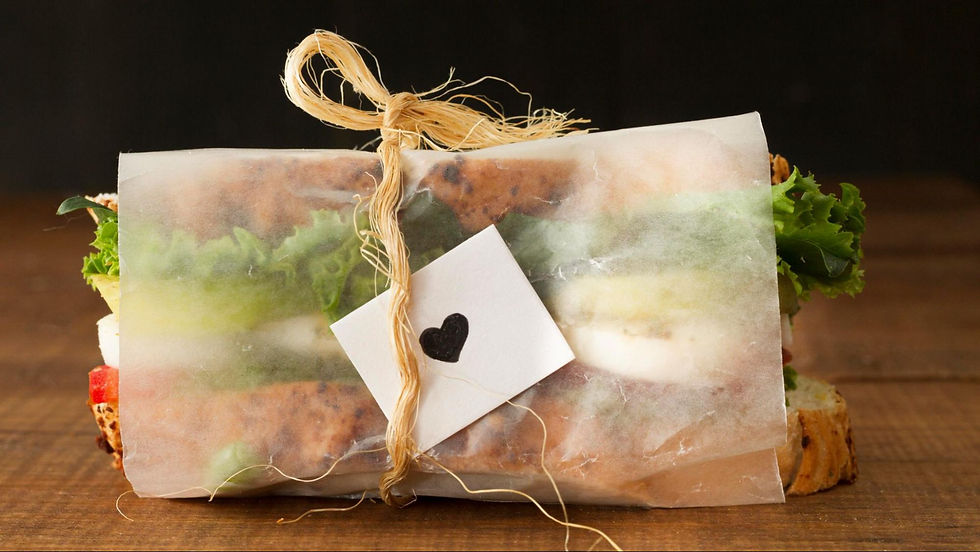
Ditch plastic cling wrap and disposable sandwich bags with these sustainable household products:
Glass or Stainless Steel Containers: Durable, airtight, and perfect for storing leftovers and packing lunches, making them essential eco-friendly kitchen essentials.
Beeswax Wraps: Reusable wraps made from cotton coated in beeswax offer a natural, flexible alternative to cling film.
Silicone Food Covers: Stretchable covers that create an airtight seal on bowls and containers.
5. Bamboo or Steel Utensils and Straws Instead of Plastic Cutlery

Using plastic spoons, forks, and straws just once creates a significant and lasting amount of garbage, much of which ends up in oceans. Say no to single use plastic cutlery and straws in favor of bamboo alternatives, which are sustainable, lightweight, and a must have for picnics, takeout meals, and outdoor events.
Bamboo Travel Utensil Sets: Often come with a carrying case containing a fork, knife, spoon, straw, and cleaning brush.
Stainless Steel Straws: A durable, sleek option available in various sizes for different drinks.
6. Reusable Coffee Cups Instead of Disposable Cups

Disposable coffee cups are thrown away by the billions worldwide each year. Bring your own reusable cup to your favorite coffee shop and enjoy your beverage guilt free. Many cafés now offer discounts for doing so.
Ceramic or Glass Travel Mugs: Ideal for hot beverages and available in endless styles.
Collapsible Cups: Perfect for on the go convenience, made from food grade silicone.
7. Bar Soaps and Shampoo Bars Instead of Liquid Soap in Plastic Bottles

Switching to bar soaps, shampoo bars, and conditioner bars packaged in cardboard or paper eliminates an entire category of plastic bottles from your bathroom. This is a genuinely low-effort, high-impact swap, since bar products typically last as long as their liquid equivalents while generating a fraction of the packaging waste.
More Eco-Conscious Products and Sustainable Living Tips
Beyond these core swaps, consider incorporating these additional changes into your daily routine:
Reusable Dryer Balls: Replace single use dryer sheets with wool or silicone dryer balls.
Reusable Makeup Remover Pads: Opt for washable cotton or bamboo pads instead of disposable wipes.
Loose Leaf Tea: Choose loose leaf over individually packaged tea bags, which often contain microplastics.
Seed Pens Instead of Plastic Pens: Billions of plastic pens are thrown away every year. Seed pens are fully biodegradable and contain seeds you can plant once the pen is used, turning office waste into an herb garden, a genuinely fun way to promote environmentally friendly products among students, colleagues, and corporate teams.
Sustainable Stationery: Many everyday office supplies, from rulers to folders, are typically made of plastic. Choosing biodegradable or recycled stationery is an easy, often overlooked reduction in workplace plastic waste.
Compostable Packaging: Look for brands that use compostable products in their packaging rather than plastic wrap, since sustainability built into the packaging itself, not just the product, reflects a genuinely low-waste living philosophy.
Thoughtful, Low-Waste Purchasing: Sometimes the best alternative to plastic isn't a specific product at all, it's buying less, and choosing durable, reusable, and eco-conscious products over cheap, disposable ones whenever possible.
India's Plastic Waste Rules: What's Changed for 2026
India's regulatory approach to single use plastics has evolved steadily, and 2026 marks the latest milestone in that journey, making plastic-free living not just an environmental choice but an increasingly supported national direction.
In August 2021, the Ministry of Environment, Forest and Climate Change notified a ban on identified single use plastic items under the Plastic Waste Management Amendment Rules, 2021, which came into force on July 1, 2022. This ban covered items such as earbuds with plastic stems, balloon sticks, candy and ice cream sticks, cutlery items, sweet boxes, invitation cards, cigarette packs, PVC banners under 100 microns, and thermocol used for decoration. The existing ban on thin polythene bags was also strengthened, with the minimum thickness threshold raised to reduce the circulation of flimsy plastic bags. Under the Plastic Waste Management Rules, 2016, plastic sachets used for packaging gutkha, tobacco, and pan masala were also completely outlawed.
Since then, the framework has continued to evolve. The 2022 amendments introduced mandatory Extended Producer Responsibility (EPR) guidelines, placing the burden of plastic waste collection and recycling directly on producers, importers, and brand owners, alongside environmental compensation under the polluter pays principle. The 2024 amendments refined the regulatory definitions further. Most recently, on March 31, 2026, the Ministry notified the Plastic Waste Management (Amendment) Rules, 2026, following a draft notification and sixty day public consultation period, further strengthening accountability across the plastic waste management system.
Under the EPR framework, businesses that manufacture, import, or sell products in plastic packaging must register on the Central Pollution Control Board's EPR portal, meet annual plastic waste collection and recycling targets or purchase EPR credits from registered recyclers, and report their plastic footprint annually, obligations that apply to a wide range of businesses, not just large corporations. Since EPR rules took effect in 2022, over 20.7 million tonnes of plastic waste have been recycled cumulatively across the country, even as annual plastic waste generation remains high.
This evolving regulatory backdrop reinforces why individual sustainable swaps matter so much in India specifically. Every household that shifts to reusable shopping bags, stainless steel bottles, or bamboo alternatives is directly reducing the volume of plastic that regulators and recyclers now have to manage, and is helping build the cultural momentum behind India's broader plastic-free living movement.
How Greenmyna Supports the Shift Away from Plastic
A sustainability firm like Greenmyna approaches the single use plastic issue through multiple strategies designed to help both businesses and individuals reduce their plastic footprint.
Education and Awareness Campaigns
Workshops and Training: Greenmyna offers educational programs for businesses and communities on the harms of single use plastics and the benefits of eco-friendly products.
Public Awareness Initiatives: We partner with organizations and run our own campaigns to raise awareness about plastic pollution and encourage lasting behavior change.
Beach and Community Clean-up Drives: Greenmyna also organizes and supports beach clean-up campaigns and other community clean-up initiatives to remove plastic waste from natural ecosystems. These events not only help restore local environments but also educate volunteers about the importance of responsible waste disposal, recycling, and preventing plastic from entering oceans and waterways.
Sustainable Procurement
Sourcing Eco-Friendly Alternatives: Greenmyna helps businesses find and source sustainable replacements for disposable plastic items across their supply chains.
Vendor Partnerships: We build relationships with suppliers specializing in reusable, compostable, or recyclable products and packaging.
Advocacy and Policy Support
Collaboration with Government: Greenmyna works with policymakers to advocate for stronger regulations on single use plastics.
Research and Data Collection: We gather data and conduct research to support policies that promote a circular economy and genuinely reduce plastic waste.
Conclusion: Embracing a Plastic-Free Lifestyle
The choices we make in our everyday lives have real power to shape the health of our planet. By ditching single use plastics and adopting the eco-friendly alternatives discussed here, from reusable shopping bags and stainless steel water bottles to bamboo toothbrushes and beeswax wraps, we aren't just minimizing our own waste, we're contributing to a broader movement toward sustainable living.
Their impact extends well beyond personal habits. Choosing reusable, sustainable household products sends a clear signal to businesses and industries that consumers demand better alternatives. It encourages innovation and paves the way for a future where convenience doesn't come at the expense of the environment.
The transition to a plastic-free home might feel gradual at first, but every single swap matters. With consistent effort, a genuine commitment to mindful consumption, and a regulatory environment that's steadily tightening under India's evolving Plastic Waste Management Rules, we can collectively build a world where oceans, landfills, and wildlife are no longer burdened by the scourge of single use plastics.
Start small. Stay consistent. Choose sustainable, because the future should be green, not plastic. For more on how you can get involved, visit Greenmyna to explore our full range of sustainability resources and services.
FAQs
1. What are the best eco-friendly alternatives to plastic?
The most effective eco-friendly alternatives to plastic include reusable cloth shopping bags, stainless steel or glass water bottles, bamboo toothbrushes and cutlery, beeswax food wraps, reusable coffee cups, and bar soaps in place of liquid soap in plastic bottles.
2. How are single use plastics harmful?
Single use plastics clog landfills, pollute land and waterways, and end up in the ocean, where they break down into harmful microplastics. These plastics endanger wildlife and can release chemicals that may negatively affect human health.
3. Why is single use plastic banned in India?
India implemented a ban on certain single use plastics, first in 2022 and reinforced through subsequent amendments including the 2026 rules, to address the overwhelming plastic pollution problem and the challenges it creates for the country's waste management systems.
4. How can we reduce plastic waste at home?
You can reduce plastic waste by switching to reusable options like water bottles, shopping bags, coffee cups, and food containers, choosing bar soaps over bottled liquids, buying products in bulk or with minimal packaging, and shopping at local markets whenever possible.
5. How much plastic waste does India generate?
Official CPCB data shared in Parliament shows India generated 39.02 lakh tonnes of plastic waste in 2021-22 and 41.36 lakh tonnes in 2022-23, though this reflects only formally reported data. Independent research from the EU's SWITCH-Asia Programme estimates the real figure is much higher, over 10.8 million tonnes generated in 2023 alone, roughly 7.6 kg per capita, with nearly 70% mismanaged. The most reliably verified figure is that over 20.7 million tonnes of plastic packaging waste have been recycled under registered EPR certificates since 2022.
6. What are 5 harmful effects of plastic?
Plastic contributes significantly to ocean pollution and the formation of microplastics, harms wildlife through ingestion and entanglement, takes up vast space in landfills, contributes to climate change through its production, and poses potential risks to human health due to chemical leaching.
7. What are some easy sustainable swaps for beginners?
Beginners can start with a reusable water bottle, cloth shopping bags, and a bamboo toothbrush, three of the lowest effort, highest impact swaps available. From there, beeswax wraps, reusable coffee cups, and bar soaps are natural next steps toward a fully plastic-free home.
8. What is India's latest plastic waste rule in 2026?
On March 31, 2026, India's Ministry of Environment, Forest and Climate Change notified the Plastic Waste Management (Amendment) Rules, 2026, which further strengthens the Extended Producer Responsibility (EPR) framework and accountability measures first introduced in 2022, building on earlier amendments from 2021 and 2024.
9. Are plastic-free products more expensive than plastic alternatives?
Not necessarily over time. While some eco-friendly products like stainless steel bottles or bamboo utensils may cost more upfront than disposable plastic versions, their durability means they're replaced far less often, often making them more cost effective in the long run.


Switching to eco-friendly alternatives to single-use plastics is a vital step toward reducing pollution. From reusable bags to bamboo utensils, small changes make a huge impact. Let’s commit to greener choices every day! Discover more at saveplus.in